Blockchain Explained: Decentralization, Immutability, and Trust
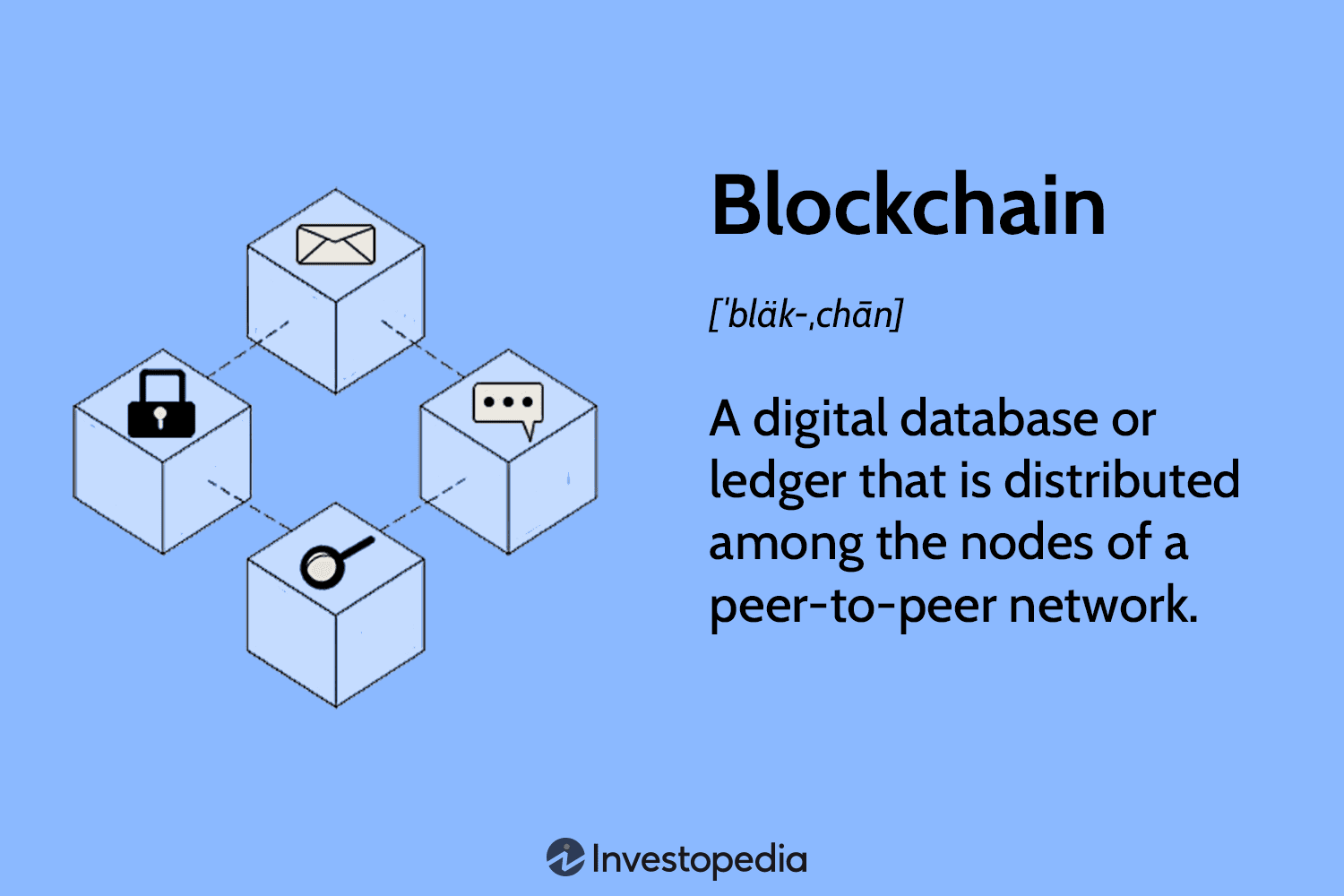
In an increasingly digital world, understanding how information is stored, shared, and secured has never been more critical. Among the most revolutionary innovations to emerge in recent decades is blockchain technology, a concept that promises to redefine trust and transparency in countless industries. But what is blockchain, and why is it hailed as such a game-changer? At its core, blockchain is a revolutionary decentralized and distributed digital ledger – a fancy term for a shared, immutable database that records transactions across multiple computers.
Imagine a digital record book that isn't controlled by any single entity, is virtually impossible to tamper with, and openly accessible to all authorized participants. This is the essence of blockchain. It's a technology built on fundamental principles of decentralization, immutability, and cryptographic security, which collectively foster a new paradigm of digital trust. While often associated with cryptocurrencies like Bitcoin, its potential extends far beyond digital money, offering solutions for everything from supply chain management to healthcare records.
What Exactly is Blockchain Technology?
To truly grasp the transformative power of blockchain, we must first understand its foundational components. Far from being a mythical or overly complex concept, blockchain technology operates on a surprisingly intuitive design. Think of it as a chain of digital "blocks," where each block contains a verified list of transactions or data. Once a block is filled, it's permanently added to the chain, creating a continuous, chronological record.
This innovative architecture was first conceptualized in 1991 by Stuart Haber and W. Scott Stornetta, who envisioned a cryptographically secured chain of blocks that would make tampering with digital documents impossible. However, it wasn't until 2008 that this theoretical framework found its first practical application. An anonymous individual or group known as Satoshi Nakamoto implemented the first functional blockchain as the underlying technology for Bitcoin, the world's first decentralized cryptocurrency. This pivotal moment launched blockchain into the global consciousness, showcasing its capability to enable secure, peer-to-peer transactions without the need for traditional intermediaries like banks.
The system operates on a network of independent computers, or "nodes," which collectively verify and maintain the ledger. This distributed nature eliminates a "single point of failure," meaning there's no central server that can be hacked or taken offline, making the system incredibly robust and resilient. For a deeper dive into how this digital ledger operates, you might find our article What is Blockchain? A Simple Guide to the Digital Ledger particularly insightful.
The Pillars of Blockchain: Decentralization and Immutability
The true strength of blockchain lies in its core design principles: decentralization and immutability. These two pillars are intrinsically linked, working together to create a system that is secure, transparent, and trustworthy.
Decentralization: Power to the Network
One of the most radical departures from traditional centralized systems is blockchain's decentralized nature. Instead of a single authority (like a bank or a government) controlling the entire database, the blockchain ledger is distributed across thousands, sometimes millions, of computers (nodes) worldwide. Every node holds a copy of the entire ledger. When a new transaction occurs, it's broadcast to the network, and these nodes work together to verify its legitimacy before adding it to a new block.
This collective validation process means that no single entity can unilaterally alter the ledger, censor transactions, or shut down the network. It democratizes control, making the system incredibly resilient to attacks, outages, and censorship. For instance, if one node goes offline, thousands of others continue to operate seamlessly, ensuring the integrity and availability of the data. This distribution of power is fundamental to building trust, as it removes the need to place blind faith in a central authority.
Immutability: An Unbreakable Digital Record
The term "immutable" simply means unchangeable, and this is perhaps blockchain's most celebrated feature. Once data is recorded in a block and added to the chain, it becomes virtually impossible to alter or delete. This immutability is achieved through clever cryptographic techniques, particularly the use of cryptographic hashes and timestamps.
Each block in the chain contains not only a list of transactions but also a unique digital fingerprint called a cryptographic hash. Crucially, this hash is generated not just from the current block's data, but it also incorporates the hash of the previous block. This creates a powerful, interconnected structure. If even a single character in an old block's data (say, a transaction detail or a timestamp) were to be altered, its cryptographic hash would change completely. This, in turn, would invalidate the hash of the next block, and the one after that, creating a domino effect that would immediately alert the entire network to a discrepancy. To successfully tamper with a past transaction, an attacker would have to re-compute the hashes for all subsequent blocks – a task that would require an impractical amount of computing power and coordination across the distributed network.
Additionally, each block includes a timestamp, a permanent record of when it was added to the chain. This chronological ordering ensures that blocks are mined sequentially and cannot be reordered or backdated without invalidating the entire subsequent chain. The Bitcoin blockchain, for example, adds a new block approximately every 10 minutes, continuously extending this tamper-proof ledger. This ingenious design makes blockchain an "unbreakable chain" of data, as further explored in our related article: The Unbreakable Chain: How Blockchain Ensures Tamper-Proof Data.
Beyond Cryptocurrencies: Real-World Applications and Building Trust
While Bitcoin introduced the world to blockchain, the technology's potential extends far beyond digital currency. Today, various blockchain networks like Ethereum and Solana offer unique features tailored for a diverse range of applications, demonstrating the incredible versatility of this innovation. The core principles of decentralization and immutability are proving invaluable in sectors looking to enhance transparency, security, and efficiency.
Consider the following applications:
- Supply Chain Management: Imagine tracking a product from its origin to the consumer with an immutable record of every step – manufacturing, shipping, customs, and delivery. Blockchain can provide unparalleled transparency, verify authenticity, and pinpoint delays or fraud.
- Healthcare: Securely managing patient records, ensuring data privacy, and enabling seamless sharing between providers (with patient consent) can be revolutionized by blockchain, leading to better care coordination and reduced medical errors.
- Intellectual Property: Artists, musicians, and creators can timestamp their work on a blockchain, creating an undeniable proof of ownership and protecting their creations from unauthorized use.
- Voting Systems: Blockchain could offer a more secure and transparent voting process, reducing the potential for fraud and increasing public trust in election outcomes.
- Real Estate: Simplifying property title transfers, reducing paperwork, and enhancing trust between buyers and sellers are significant benefits blockchain can bring to this traditionally complex sector.
The reason why so many industries are looking to blockchain is simple: it fundamentally alters how trust is established. In traditional systems, trust is placed in intermediaries – banks, notaries, governments. With blockchain, trust is baked into the technology itself. The transparent, verifiable, and immutable nature of the ledger means that participants no longer need to trust each other blindly, nor do they need to rely on a single, fallible intermediary. Instead, they can trust the integrity of the network and the cryptographic proofs it provides.
Practical Tip: When evaluating blockchain solutions, don't just focus on the 'decentralized' aspect. Understanding *how* a specific blockchain achieves immutability and what consensus mechanism it uses (e.g., Proof of Work, Proof of Stake) is crucial for assessing its security and reliability for your particular needs.
Conclusion
What is blockchain? It is a paradigm shift in how we manage and verify information in the digital age. By leveraging decentralization, cryptographic immutability, and a network of collaborating nodes, it offers a robust alternative to traditional, centralized systems. This technology promises not just enhanced security and transparency but also a fundamental re-architecture of trust itself, moving it from reliance on intermediaries to reliance on cryptographic proof. From its roots in powering cryptocurrencies to its burgeoning applications across diverse industries, blockchain is proving to be far more than just a fleeting trend. It is a foundational technology poised to reshape how businesses operate, how value is exchanged, and how individuals interact with digital systems, fostering a future built on verifiable, unbreakable digital records.